
A clean outdoor space adds beauty, comfort, and value to any home. Pool enclosures are designed to protect swimming areas from insects, debris, and harsh weather, but they also collect dirt, algae, mold, and mildew over time. Without proper maintenance, these surfaces can quickly lose their appearance and become harder to clean. Professional Pool cage cleaning helps homeowners maintain a fresh and welcoming outdoor environment while extending the life of their pool enclosure and surrounding areas.
Why Pool Cages Need Regular Cleaning
Pool cages are constantly exposed to rain, sunlight, dust, pollen, and humidity. These environmental factors create the perfect conditions for algae and mold growth. Dirty screens and frames not only affect curb appeal but can also weaken materials over time.
Routine cleaning prevents buildup and helps maintain the structural integrity of the enclosure. Homeowners who ignore regular maintenance may eventually face costly repairs or replacements. Keeping the enclosure clean also improves airflow and allows more natural light to enter the pool area.
Benefits of Professional Pool Cage Cleaning
Hiring professionals for pool cage maintenance offers several advantages beyond surface-level cleanliness. Experienced cleaners use proper equipment and safe cleaning solutions to remove dirt without damaging screens or frames.
Improves Property Appearance
A bright and clean enclosure instantly improves the overall appearance of the backyard. Clean screens create a more open and inviting atmosphere, making the outdoor area more enjoyable for family gatherings or relaxation.
Prevents Mold and Algae Growth
Florida’s humid climate often leads to rapid algae and mildew growth on outdoor surfaces. Professional cleaning removes these harmful contaminants before they spread and cause staining or deterioration.
Extends the Lifespan of the Enclosure
Regular maintenance protects aluminum frames and screen materials from corrosion and wear. By removing dirt and debris early, homeowners can avoid expensive repairs and keep their enclosure in good condition for years.
Enhances Outdoor Comfort
Dirty pool cages can trap odors, insects, and allergens. A professionally cleaned enclosure creates a fresher and healthier outdoor environment for everyone to enjoy.
Common Signs Your Pool Cage Needs Cleaning
Many homeowners wait until the enclosure looks heavily stained before scheduling a cleaning service. However, early signs of buildup should not be ignored.
Dark Streaks and Green Stains
Black streaks or green patches on screens and frames often indicate mold, mildew, or algae growth. These stains become more difficult to remove if left untreated.
Reduced Visibility Through Screens
When screens appear cloudy or dirty, the outdoor space may feel darker and less inviting. Cleaning restores visibility and improves the overall atmosphere around the pool.
Dirt Accumulation Around Frames
Dust and debris often collect around corners, support beams, and door frames. This buildup can eventually damage surfaces and reduce the enclosure’s lifespan.
The Importance of Exterior Surface Maintenance
Pool cage maintenance works best when combined with proper care for surrounding outdoor surfaces. Driveways, patios, and walkways also experience exposure to moisture, dirt, and harsh weather conditions.
Many homeowners choose professional cleaning services together with Paver sealing to protect and improve the appearance of their outdoor spaces. Sealing pavers helps prevent fading, weed growth, stains, and water damage while maintaining a polished look around the pool area.
How Professional Cleaning Services Work
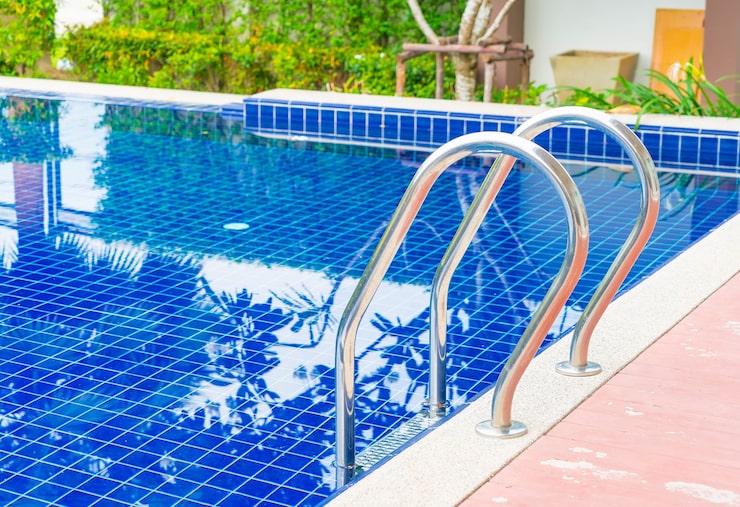
Professional pool cage cleaning usually begins with an inspection of the enclosure to identify stains, algae growth, or damaged areas. Technicians then use specialized pressure washing equipment and eco-friendly solutions to clean the structure safely.
The process often includes:
- Removing loose debris and dirt
- Applying cleaning treatments to affected areas
- Washing screens, frames, and support beams
- Rinsing surfaces thoroughly
- Inspecting for remaining buildup or damage
This detailed approach ensures that the enclosure looks refreshed without causing unnecessary wear to delicate materials.
How Often Should Pool Cages Be Cleaned?
The ideal cleaning schedule depends on climate conditions, nearby trees, and overall exposure to dirt and moisture. In humid areas, many homeowners benefit from professional cleaning at least once or twice a year.
Homes surrounded by heavy vegetation or located near water may require more frequent maintenance. Regular service prevents buildup from becoming severe and helps preserve the enclosure’s appearance year-round.
Choosing the Right Cleaning Company
Selecting an experienced cleaning company is important for achieving long-lasting results. Homeowners should look for businesses that use safe cleaning methods, have positive customer reviews, and understand how to clean delicate screen enclosures properly.
Reliable companies also provide transparent pricing, professional communication, and customized cleaning solutions based on the property’s specific needs. Investing in quality service protects outdoor spaces while saving time and effort.
Conclusion
Pool enclosures play an important role in creating a comfortable and protected outdoor living space. Over time, exposure to dirt, moisture, and algae can affect both the appearance and durability of these structures. Regular professional cleaning helps maintain a cleaner environment, improves curb appeal, and extends the life of the enclosure. Combined with proper exterior maintenance, homeowners can keep their outdoor areas looking fresh, safe, and inviting throughout the year.
FAQ
How long does pool cage cleaning usually take?
Most professional pool cage cleaning services can be completed within a few hours, depending on the size of the enclosure and the level of buildup.
Is professional pool cage cleaning safe for screens?
Yes, experienced professionals use proper techniques and equipment designed to clean screens and frames safely without causing damage.
How often should outdoor surfaces be sealed?
Outdoor pavers are commonly sealed every two to three years to maintain protection against moisture, stains, and fading.