
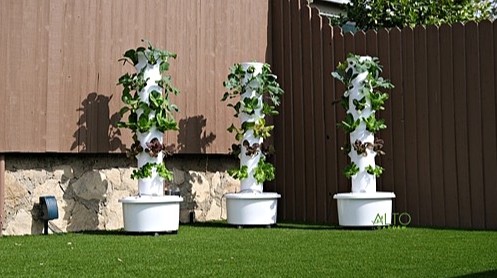

Indoor growing systems have turned into kind of a real option, especially for folks who want to keep plants in smaller areas , without having to do the whole soil thing. A tower garden is basically a vertical setup, where plants sit in an organized way while circulating water is doing the heavy lifting instead of dirt. The whole idea is to make indoor growing feel more compact, cleaner, and honestly easier to keep under control as the cycle goes on.
Starting with a system that’s already laid out can feel more manageable, because everything is confined inside that defined layout. From putting the structure together , to making sure the water is moving right, the parts kind of work together in a steady rhythm to support consistent indoor plant growth.
Creating an Organized Indoor Growing Setup
One of the first things people notice about a tower garden is how it grows up instead of out. It doesn’t ask for big planting beds, or plants spreading across wide floor space. Instead it goes vertically, with stacked sections that lift the whole growing area.
That vertical arrangement helps maximize indoor space, and keeps plants organized in a way that’s easier to manage. It also makes it simpler to put the system in apartments, homes, or indoor corners where floor space is tight. Plus, plants end up staying more evenly distributed, so the environment stays more balanced from the top sections down to the lower ones.
Understanding the Water-Based Growing Process
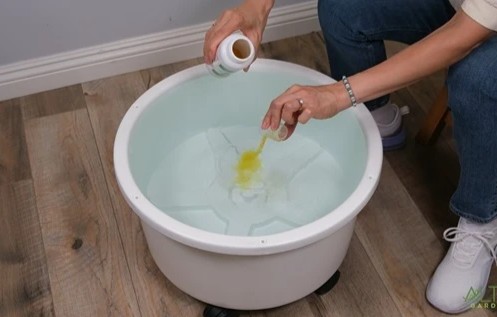
This system differs from normal gardening because it doesn’t depend on soil at all. The tower garden runs on water circulation, where nutrients get mixed into the reservoir water and then continuously moved through the whole structure to help plants grow.
The circulation usually starts at the base reservoir. Water gets pumped upward first, and then it flows back down through each growing section. As it travels, the plant roots pull nutrients and hydration straight from the circulating mix. Since the same water keeps cycling again and again, the process stays efficient and conditions indoors remain relatively consistent.
Preparing Seedlings Before Planting
Before anything goes into the tower, seedlings need a bit of early development so they can handle transplanting. Typically you want to see healthy root activity and stable leaves, because that means they’re ready to move into the growing structure. After that, the seedlings are placed into the designated holders that match the openings across the tower garden.
Putting them in the right spot matters, since proper placement keeps spacing steady and the structure stays organized while growth continues. Once the seedlings are installed, the circulating nutrient solution starts helping right away through the roots, so they don’t sit idle for long.
Importance of Consistent Indoor Conditions
Indoor growing really leans on consistency. Stable water circulation, the right nutrient balance, and controlled lighting are all major parts of steady plant development over time.
Many people keep a regular lighting schedule, because predictable light helps support balanced growth cycles. When conditions don’t swing around, plants are less likely to get unnecessary stress, and the system runs more smoothly overall. Also, since it’s indoors, the setup doesn’t get hit by outdoor weather swings, which helps the environment stay more controlled.
Monitoring Water and Nutrient Balance
As plants grow, water levels tend to drop, and nutrient concentrations can shift gradually. That’s why regular monitoring is needed, to keep conditions stable through the entire growing cycle.
Checking water levels helps ensure circulation doesn’t get interrupted. Keeping nutrients balanced supports continued development as well. Monitoring pH is also important , because plants absorb nutrients more effectively when the water stays within the recommended range. Routine maintenance keeps the tower garden running efficiently and helps avoid problems that could slow growth.
Keeping the Growing Area Compact
A big benefit of vertical indoor growing is having the ability to manage multiple plants without wasting lots of space. The stacked design keeps everything in a smaller footprint, while still making room for plant development as they mature. This compact setup also tends to look cleaner indoors, and it avoids that spread-out look you often get with traditional gardening.
Another plus is easier access. Reaching plants for maintenance, checking growth, and harvesting becomes simpler when each level is right there in front of you. For indoor spaces where organization is important, the vertical design is a practical approach.
Managing Long-Term Plant Growth
Once plants are fully underway, staying aware is part of the job. People usually watch plant spacing, water circulation, and nutrient balance as they mature. Observing these things supports stable development throughout the growing process.
Because the system is organized, it’s easier to spot changes. Each section is accessible, so users can notice shifts sooner while still keeping the overall setup manageable indoors. In the long run, a tower garden supports continuous indoor growing by keeping water movement steady and plant positioning consistent within the same compact structure.
Harvesting and Continued Growing
When plants reach maturity, harvesting can happen right from the vertical structure. Depending on what you’re growing, harvesting might be gradual, while the rest of the plants keep developing inside the system. The organized layout makes harvesting easier too, because plants stay separated and easy to reach across the different levels.
With the right maintenance, and stable indoor conditions, the growing cycle can continue indoors throughout the year, without needing to start over every time.
Final Thoughts
Starting an indoor growing setup really needs consistency, a bit of organization ,and a sturdy routine that actually helps plants keep developing over time. A tower garden brings together vertical growing, moving water through the system, and a fairly clear arrangement for the plants ,all wrapped into a compact indoor setup meant for efficient use of space.
If you’re trying to keep indoor plants thriving without falling back on regular soil gardening then this structured approach is a solid option. It supports ongoing growth in a way that keeps your surroundings cleaner, more orderly, and easier to manage overall.