
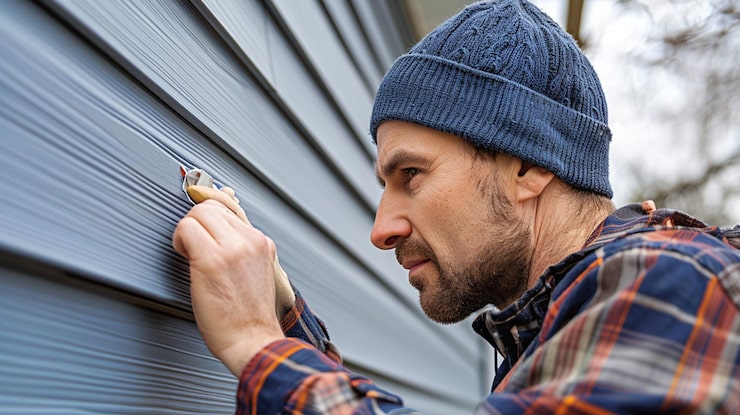

Over time, vinyl siding can lose its original color and shine, leaving your home looking dull or chalky. This fading is the result of oxidation—a natural reaction between the vinyl’s surface and environmental elements like sunlight and moisture. The good news is that you don’t need to replace your siding to restore its beauty. With proper cleaning, conditioning, and protection techniques, you can bring back the color and gloss of oxidized vinyl siding and extend its lifespan for years.
Understanding Vinyl Siding Oxidation
Vinyl siding oxidation happens gradually. Exposure to UV rays, rain, and pollutants breaks down the siding’s top protective layer. When this layer weakens, it leaves behind a powdery, white residue that dulls the surface. This process doesn’t harm the structural integrity of the siding, but it does diminish curb appeal and can make the home appear older. The chalky film often transfers to your hands when you touch the siding, indicating oxidation buildup that needs attention.
Most homeowners first notice oxidation on the sunniest sides of their house. Lighter colors fade less noticeably, while darker colors show the damage more quickly. The best approach is early maintenance before oxidation spreads.
Cleaning Oxidized Vinyl Siding Safely
The first step to fixing oxidized siding is thorough cleaning. Start by rinsing the siding with a garden hose to remove dust, cobwebs, and surface dirt. Mix a mild cleaning solution of dish soap and warm water, and use a soft brush or microfiber cloth to scrub the siding gently. Avoid harsh chemicals or abrasives, which can further damage the vinyl.
If the oxidation is moderate to severe, you can use a cleaner specifically designed to remove oxidation from vinyl surfaces. These products are formulated to dissolve oxidation and reveal the underlying color. Apply the cleaner in small sections, scrub lightly, and rinse with clean water. Always follow product instructions and test a small hidden area first to make sure it doesn’t affect the color.
Restoring Shine After Cleaning
Once the siding is clean, it may still look flat or lack luster. This is normal after oxidation removal because the surface has lost some of its original finish. To restore shine, apply a vinyl restorer or conditioner. These products rejuvenate the siding’s color and add a glossy, protective layer that resists future fading.
A good restorer acts like a polish for your home’s exterior, enhancing both appearance and durability. Apply it evenly using a sponge or cloth, let it absorb, and then buff lightly. You’ll see the surface come back to life with a richer, smoother look.
For homeowners who prefer eco-friendly solutions, a sustainable wood sealer can be an excellent alternative for protection. Although originally formulated for wood, sustainable sealers can help protect vinyl as well, creating a breathable, water-resistant coating that guards against UV rays and moisture. This environmentally friendly choice not only restores shine but also helps reduce chemical exposure around your home.
Preventing Future Oxidation
Once your vinyl siding looks new again, maintaining it is key to preventing oxidation from returning. Rinse the siding every few months to wash away pollutants, and perform a deep clean once or twice a year. This routine maintenance prevents grime and sun exposure from dulling the finish.
You can also protect your siding by applying a UV-blocking coating annually. These protective products act as a barrier between sunlight and vinyl, reducing color fading and oxidation. Additionally, trimming trees and plants near your home allows air to circulate freely and prevents mold or mildew from forming on shaded, damp sections.
Common Mistakes to Avoid
While cleaning and restoring vinyl siding is straightforward, some mistakes can cause more harm than good. Avoid using bleach, acetone, or high concentrations of ammonia, as these can strip color and weaken the surface. Pressure washers, when used incorrectly, can also damage the siding by forcing water behind panels. Always use a wide spray nozzle and moderate pressure, keeping the stream angled downward.
Another common error is ignoring the siding’s drying time. After cleaning or applying a restorer, allow sufficient drying before exposing the surface to direct sunlight or rain. This ensures even color and finish retention.
Benefits of Restoring Instead of Replacing
Replacing vinyl siding can be costly, and in many cases, unnecessary. Restoring oxidized siding not only saves money but also supports sustainability by reducing waste. Instead of sending old panels to landfills, you can rejuvenate the ones you already have.
Restoration also enhances your home’s overall value. A bright, clean exterior creates a welcoming look and boosts curb appeal instantly. It’s a simple improvement that makes a noticeable difference without major construction or expense.
Eco-Friendly Restoration Tips
Choosing green restoration methods is becoming more popular as homeowners prioritize health and sustainability. Opting for biodegradable cleaners, plant-based degreasers, and water-based sealers ensures you’re protecting your siding and the environment simultaneously. These options minimize chemical runoff, keeping your yard and groundwater safe.
If you want to maintain your siding naturally, consider using vinegar diluted with water for light cleaning. It’s effective at removing grime and mild oxidation without leaving harmful residues. Regular care using natural solutions will help your siding maintain a fresh appearance for years.
How Long Restoration Lasts
The longevity of your restoration depends on the products and maintenance routine you follow. Typically, after cleaning and sealing, the siding maintains its restored look for three to five years. Applying a UV-protective restorer once a year extends this duration further. Regular washing and care keep oxidation from building up again, so the siding continues to look vibrant and strong.
Think of maintenance as an investment—it prevents costly replacements and preserves your home’s appearance. Once you experience how simple and effective restoration can be, you’ll likely make it part of your regular upkeep.
Conclusion
Fixing oxidized vinyl siding doesn’t require a full renovation. With simple cleaning, conditioning, and protection techniques, you can revive its color, restore its shine, and shield it from future damage. By embracing eco-friendly methods and sustainable products, homeowners can protect both their siding and the environment. A few hours of attention can make your exterior look freshly installed again, keeping your home beautiful and well-protected for years to come.
FAQ
- What is the easiest way to remove oxidation from vinyl siding?
Using a mild cleaner or specialized oxidation remover and gentle scrubbing is the easiest and safest way to clean oxidized siding. - How often should I clean vinyl siding to prevent oxidation?
Clean at least once or twice a year, depending on your local weather and exposure to sunlight, to maintain color and shine. - Can I use car wax on vinyl siding for shine?
While car wax can add gloss, it’s better to use a vinyl-specific restorer or conditioner formulated for outdoor durability and UV resistance.