
There’s a moment in every homeowner’s relationship with their yard when they realize something fundamental is missing. The lawn looks decent. The planting beds are managed. But the outdoor space still doesn’t function the way they imagined it would when they bought the house. Nobody actually spends time out there. There’s nowhere comfortable to sit, no defined area for gathering, no structure that makes the yard feel intentional rather than incidental.
That missing element is almost always hardscaping. And in Seattle’s climate, where outdoor living windows are precious and weather demands durable materials, it’s the investment that transforms a yard from something you look at into something you actually use.

What Hardscaping Actually Is — and What It Does for a Property
Hardscaping refers to the non-plant elements of a landscape — patios, walkways, retaining walls, steps, fire pit areas, outdoor kitchens, decorative edging, and any other constructed feature that gives a yard its structure and livability. Where planting and lawn care address the soft, growing elements of a landscape, hardscaping provides the bones.
The distinction matters because hardscaping does something that plants and turf simply cannot: it creates defined, functional spaces that transform how a property is used. A patio gives a family a place to gather that doesn’t require dry weather and perfect lawn conditions. A well-designed walkway moves visitors through a property with intention rather than accident. A retaining wall solves a slope problem while adding visual structure that elevates the entire yard.
In Seattle specifically, hardscaping takes on additional importance. The region’s rainfall and mild temperatures make outdoor living genuinely possible for much of the year — but only if there are hardscaped surfaces that handle wet conditions comfortably. A lawn that’s too soft to walk on after three days of rain doesn’t limit a properly designed patio. A yard with good hardscaping extends Seattle’s usable outdoor season significantly.
Why Seattle Hardscaping Requires Specific Expertise
Not all hardscaping is created equal, and nowhere is that more apparent than in the Pacific Northwest. Seattle’s climate — persistent moisture, significant rainfall, freeze-thaw cycles in winter — creates conditions that expose poor construction quality faster than almost any other residential environment in the country.
The most common hardscaping failures in Seattle share the same root cause: inadequate base preparation. A patio or walkway is only as stable as what’s beneath it. In Seattle’s clay-heavy soils, that base must account for drainage, frost movement, and the shifting that occurs when saturated ground freezes and thaws through winter. Hardscaping installed without proper excavation, base material, and drainage design looks fine in year one. By year three, pavers are shifting, retaining walls are leaning, and water is pooling in places it shouldn’t be.
The right hardscaping contractor in Seattle understands these dynamics before the first stone is laid. They design drainage into the project from the start, use materials rated for Pacific Northwest conditions, and build bases that will perform through decades of Seattle winters rather than just the first few seasons.
This expertise is what separates hardscaping that adds lasting value from hardscaping that becomes a maintenance problem.
The Hardscaping Projects That Transform Seattle Properties
Not every hardscaping project delivers the same impact. The ones that consistently transform how a Seattle property looks, functions, and is valued share a common thread: they solve real problems while creating genuine usability.
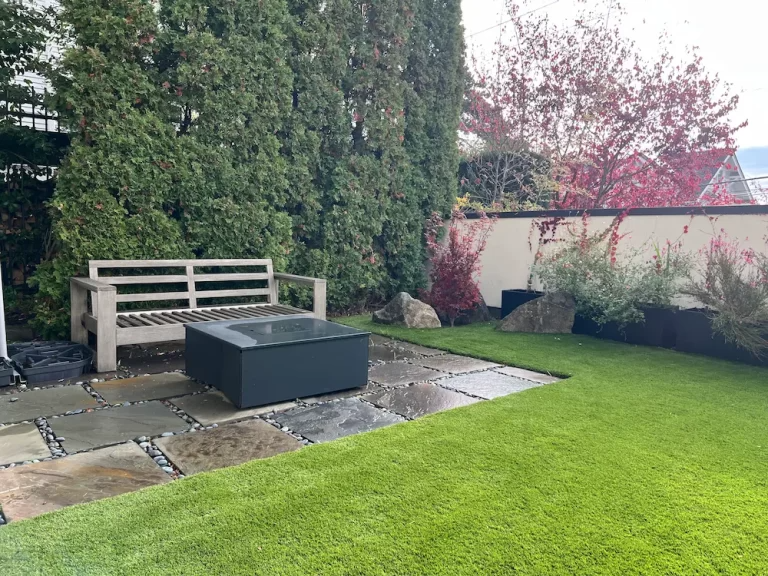
Patios and outdoor living areas are the highest-impact hardscaping investment for most Seattle homeowners. A well-designed patio — properly sized for the household, correctly positioned relative to the home and garden, built with materials that age gracefully in wet conditions — creates the outdoor gathering space that makes a property genuinely livable through Seattle’s extended shoulder seasons. Permeable paving options that handle drainage naturally are particularly well-suited to Seattle’s rainfall and increasingly popular with homeowners who want performance alongside aesthetics.
Retaining walls solve the slope and erosion problems that affect a significant percentage of Seattle properties, particularly in hillside neighborhoods. Beyond their functional purpose, well-constructed retaining walls add significant visual structure to a yard — creating tiered levels that transform difficult terrain into defined garden spaces, seating areas, or lawn zones that would otherwise be unusable. In Seattle’s soil conditions, retaining walls must be engineered with drainage and soil pressure in mind — this is not a project where corner-cutting shows up immediately but always shows up eventually.
Walkways and pathways do more for a property’s feel than most homeowners expect before they’ve seen the result. A defined pathway from the driveway to the front door changes the entire experience of approaching a home. Pathways through garden areas create the sense of an intentional, curated landscape rather than a collection of plants that happen to be growing near each other. In Seattle’s wet climate, properly installed walkways also solve the practical problem of moving through a yard without destroying soft lawn areas after rain.
Outdoor kitchens and fire features represent the premium end of hardscaping investment and deliver correspondingly premium results for the right household. Families who entertain regularly, homeowners preparing a high-end property for sale, and clients investing in a forever home find that well-executed outdoor cooking and gathering features transform how the entire backyard is used — extending outdoor season, creating a genuine entertainment destination, and adding value that’s immediately visible to anyone who sees the property.
Hardscaping and Maintenance — The Connection Most Homeowners Miss
There’s an important relationship between hardscaping quality and long-term maintenance burden that’s worth understanding before a project begins.
Well-designed, properly installed hardscaping reduces overall property maintenance over time. Defined pathways mean less lawn edge to manage and less foot traffic damage to turf areas. Retaining walls eliminate erosion problems that would otherwise require regular remediation. Permeable paving reduces drainage issues that affect planting beds and lawn areas adjacent to hard surfaces.
Poorly installed hardscaping does the opposite. It creates new maintenance problems — drainage issues, shifting surfaces, erosion around improperly graded edges — that compound with every wet season. The cost of reactive maintenance on failed hardscaping frequently exceeds the cost of installing it correctly in the first place.
This is the argument for investing in quality from the start. The right hardscaping contractor builds projects that perform independently — surfaces that drain correctly, walls that hold their position, walkways that stay level and safe — reducing the ongoing maintenance demands on the rest of the property rather than adding to them.
What to Look for in a Hardscaping Partner
Seattle’s residential market has no shortage of contractors willing to install a patio or build a retaining wall. The meaningful differentiator isn’t willingness — it’s whether the team has the specific expertise to do it correctly in Pacific Northwest conditions and the track record to prove it.