
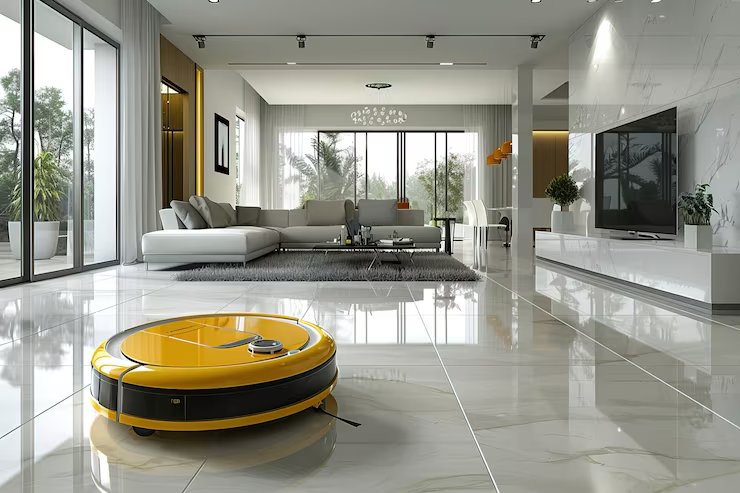

If you are looking for strong and stylish floors, epoxy flooring NJ solutions are the right choice. Flooring plays an important role in the durability, safety, and overall appearance of any property. Whether it is a residential garage, retail shop, warehouse, or industrial building, the flooring must handle heavy use while remaining easy to maintain. Epoxy flooring has become one of the most reliable solutions used throughout New Jersey because it protects and improves concrete surfaces at the same time. This coating creates a smooth, seamless layer that resists stains, moisture, heavy loads, and daily wear. Because of these benefits, homeowners and businesses are increasingly choosing epoxy flooring to upgrade their spaces with a modern and long-lasting surface.

The Science Behind Epoxy Floor Coatings
Epoxy flooring is created through a chemical process that occurs when epoxy resin is mixed with a hardening agent. When these materials combine, they react and form a strong plastic-like material that bonds tightly with the concrete underneath. This chemical reaction transforms the liquid coating into a solid surface that becomes part of the floor itself rather than simply sitting on top of it. The result is a glossy, smooth surface that can withstand heavy traffic, equipment, and harsh environmental conditions. Unlike untreated concrete that can crack, stain, or deteriorate over time, epoxy flooring creates a protective barrier that keeps the concrete strong while maintaining a clean and polished appearance.
Why Epoxy Floors Are Popular Across New Jersey
Properties in New Jersey often face environmental challenges such as humidity, moisture, and seasonal temperature changes. These conditions can quickly damage untreated concrete floors, leading to cracks, stains, and structural wear. Epoxy coatings help prevent these issues by sealing the surface and protecting it from water penetration, chemical spills, and everyday abrasion. In residential settings, epoxy floors transform garages into clean and organized spaces that resist oil stains and tire marks. In commercial locations such as showrooms and retail stores, epoxy flooring enhances lighting with its reflective finish and creates a professional look that improves the customer experience. These practical and visual advantages explain why epoxy flooring continues to grow in popularity throughout the state.
Key Advantages of Epoxy Flooring Systems
One of the most significant advantages of epoxy flooring is its exceptional durability. Once the coating cures, it forms a hard and resilient surface capable of handling heavy vehicles, machinery, and constant foot traffic without cracking or chipping. Maintenance is also simple because the seamless surface prevents dirt, dust, and liquids from penetrating the floor. Regular sweeping and occasional mopping are usually enough to keep the floor clean, which helps reduce long-term maintenance costs. Epoxy flooring also provides excellent resistance to chemicals and moisture, making it ideal for garages, workshops, warehouses, and healthcare facilities where cleanliness is essential. In addition to its functional benefits, epoxy flooring can dramatically enhance the appearance of a space through glossy finishes, decorative flakes, metallic effects, and customizable color options.
Residential Spaces That Benefit From Epoxy Floors
Although many homeowners first consider epoxy flooring for their garages, the benefits extend to several other areas of the home. Garage floors coated with epoxy become highly resistant to oil leaks, road salt, and wear caused by vehicles and tools. Basements also benefit from epoxy flooring because the coating provides a moisture-resistant surface that helps protect against damp conditions often found below ground level. Many homeowners also install epoxy floors in laundry rooms, storage areas, and home gyms because the coating creates a durable surface that is easy to clean and capable of handling regular activity. The versatility of epoxy flooring allows homeowners to improve both the functionality and appearance of different areas throughout their property.
Epoxy Flooring in Commercial and Industrial Environments
Businesses require flooring systems that can perform well in demanding environments while maintaining safety and cleanliness. Epoxy flooring is well suited for these requirements because it provides a durable, non-porous surface that resists stains, chemicals, and heavy equipment. Warehouses frequently use epoxy coatings because they can support forklifts and machinery without damage. Retail stores benefit from the reflective finish that brightens interiors and enhances the overall look of the space. Hospitals and laboratories also prefer epoxy floors because the seamless surface is hygienic and easy to sanitize, reducing the risk of bacteria growth. For these reasons, many companies rely on experienced epoxy flooring contractors NJ to install flooring systems designed to meet the specific needs of commercial and industrial environments.
The Installation Process of Epoxy Flooring
The performance and lifespan of epoxy flooring depend greatly on proper surface preparation and installation. The process begins by thoroughly cleaning the concrete floor to remove dirt, oil, and other contaminants that might prevent the coating from bonding properly. Contractors then grind or mechanically prepare the surface to create a slightly rough texture that improves adhesion. Any cracks or imperfections in the concrete are repaired before the coating is applied. After preparation is complete, a primer layer is installed to help the epoxy bond securely to the concrete surface. One or more layers of epoxy coating are then applied, and decorative flakes or protective topcoats may be added depending on the desired finish. After the final layer is installed, the floor must cure for a specific period before it can handle regular use.
Choosing the Right Epoxy Flooring System
Selecting the best epoxy flooring system depends on the environment where the floor will be used and the amount of traffic it will experience. Residential garages often benefit from decorative flake epoxy systems that provide both durability and visual appeal. Industrial facilities may require thicker coatings that can withstand heavy machinery, chemicals, and continuous activity. Slip-resistant additives can also be included to improve safety in areas where spills or moisture are common. Consulting professionals who specialize in epoxy flooring allows property owners to determine the most suitable system for their needs and ensures the installation delivers reliable long-term performance.
Long-Term Benefits of Epoxy Flooring Investments
Installing epoxy flooring provides lasting value for both residential and commercial properties. The protective coating helps extend the life of concrete floors by preventing damage such as cracks, stains, and deterioration. This protection reduces maintenance expenses and minimizes the need for costly floor replacements in the future. Epoxy floors also contribute to safer environments because they can include slip-resistant textures and reflective finishes that improve visibility in workspaces. Additionally, the sleek and polished appearance of epoxy flooring enhances property value and creates a professional environment that leaves a positive impression on visitors, customers, and employees.
Conclusion
Epoxy flooring has become one of the most reliable solutions for improving the durability and appearance of concrete surfaces across New Jersey. Its ability to resist heavy traffic, moisture, chemicals, and stains makes it suitable for a wide range of environments, including residential garages, commercial buildings, and industrial facilities. When installed correctly, epoxy flooring creates a seamless and attractive surface that requires minimal maintenance while delivering long-lasting performance. For property owners seeking a flooring option that combines strength, practicality, and modern style, epoxy flooring remains a smart and valuable investment.