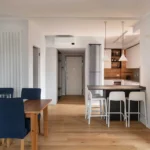


The design d’intérieur and the aménagement intérieur sur mesure Interiors have become central elements in the design of modern living spaces. Today, the interior of a home is no longer limited to a purely utilitarian function. It reflects the personality, lifestyle, and aspirations of its occupants. Evolving lifestyles, the optimization of space, and the pursuit of comfort are leading more and more individuals to favor personalized solutions. The combination of interior design and custom interior fittings makes it possible to create unique, functional, and aesthetically harmonious spaces.
The impact of interior design and custom interior layout on the transformation of spaces
The interior design plays a fundamental role in the perception and use of a space. It is based on a comprehensive approach integrating ergonomics, light, volumes, materials, and colors. When combined with a aménagement intérieur sur mesure It allows each element to be adapted to the specific constraints of the location while precisely meeting the needs of its occupants. This approach guarantees perfect optimization of every square meter and promotes fluid circulation throughout the entire living space.
Custom interior design offers complete creative freedom, allowing for the integration of smart storage solutions, tailored furniture, and personalized architectural features. This personalization promotes better organization and contributes to enhanced comfort. Interior design then elevates these elements, creating a visual coherence that reinforces the feeling of well-being.
Creating functional and aesthetically pleasing spaces through interior design
The interior design. The aim is to reconcile beauty and functionality. Each space is designed to meet a specific use while maintaining visual harmony. The management of volumes, the choice of materials, and the integration of natural light are essential parameters for creating a balanced atmosphere.
In a project of custom interior design Each element is designed to integrate seamlessly with the existing architecture. Furniture, storage solutions, and partitions are conceived to optimize space without making it feel cramped. Interior design then comes into play to give the whole a strong identity, creating coherent lines and a warm atmosphere.
Combining these two disciplines allows ordinary spaces to be transformed into refined living areas, adapted to modern requirements. The result is a harmonious interior, where every detail contributes to the overall aesthetic while making everyday life easier.
The importance of personalization in custom interior design
Personalization is at the heart of custom interior design. Each project is unique and must take into account the habits, tastes, and specific constraints of its occupants. Interior design provides essential expertise to translate these expectations into concrete, aesthetically pleasing, and sustainable solutions.
Customization makes it possible to utilize complex spaces, such as attics, sloping ceilings, or hard-to-reach corners. This adaptability maximizes functionality while maintaining visual elegance. Interior design then structures the whole to ensure aesthetic coherence and optimal comfort.
The integration of fine materials, varied textures, and plays of light contributes to creating a personalized atmosphere that reflects the occupants’ identity. The combination of interior design and bespoke interior layout thus becomes a true driver of home value.
Conclusion
The interior design associated with custom interior design Today, it represents an essential solution for designing living spaces that are functional, aesthetically pleasing, and personalized. This holistic approach transforms each interior into a unique space, perfectly tailored to the needs and aspirations of its occupants. By focusing on harmony, creativity, and space optimization, it becomes possible to create comfortable, elegant, and sustainable environments.